
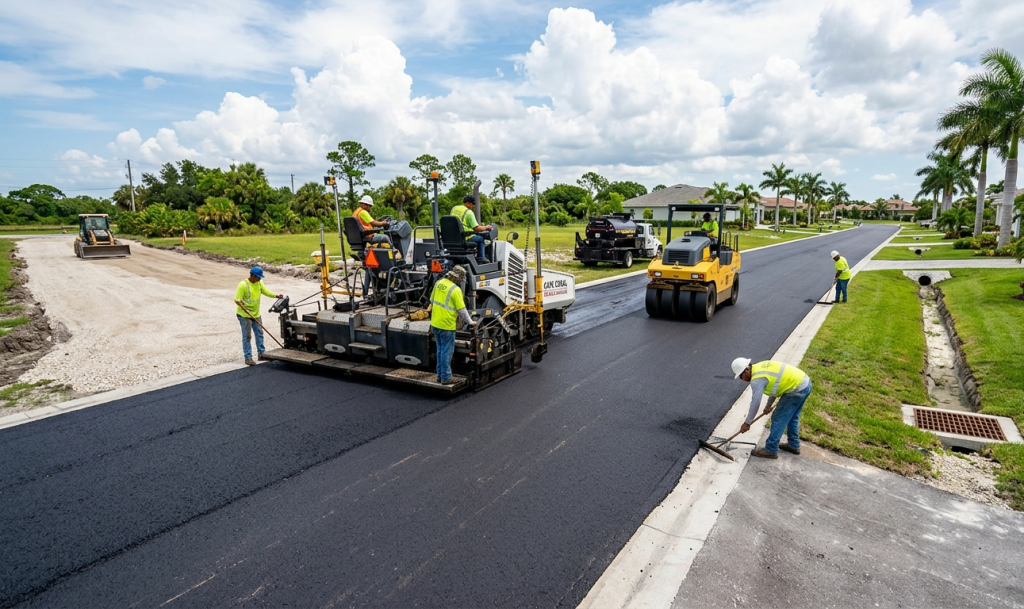

Understanding the Importance of Proper Planning
Every successful asphalt paving project begins with careful planning. Before any materials are laid, a thorough site evaluation must be conducted. This includes assessing soil stability, drainage conditions, and expected traffic load.
Without proper planning, even the highest quality asphalt can fail prematurely. For example, inadequate drainage can lead to water pooling, which weakens the sub-base and eventually causes cracks and potholes. In Cape Coral, where rainstorms can be frequent and intense, drainage planning is especially critical.
Working with experienced professionals, including a reputable naples paving company, can help ensure that all preliminary factors are addressed before construction begins.
Choosing High-Quality Materials
The longevity of any asphalt surface depends heavily on the materials used. High-quality asphalt mixtures are designed to withstand temperature fluctuations, heavy traffic, and environmental stress.
Contractors should select asphalt mixes that are specifically suited for Florida’s climate. This often means using materials that resist softening in high heat while maintaining flexibility to prevent cracking.
Additionally, the aggregate used in the mix should be durable and properly graded. Inferior materials may reduce upfront costs but often lead to expensive repairs in the future.
Proper Sub-Base Preparation
A strong foundation is essential for any paving project. The sub-base acts as the support layer for the asphalt surface, and if it is not properly prepared, the entire structure is at risk.
Best practices for sub-base preparation include:
Compacting the soil to eliminate air pockets
Using high-quality aggregate materials
Ensuring proper grading for water runoff
Testing load-bearing capacity
Skipping or rushing this step can result in uneven surfaces and early deterioration. Investing time in sub-base preparation pays off in the long run by extending the life of the pavement.
Ensuring Proper Asphalt Thickness
The thickness of the asphalt layer plays a major role in its durability. Different applications require different thicknesses. For example, a residential driveway may require a thinner layer than a commercial parking lot that supports heavy vehicles.
Contractors must calculate the appropriate thickness based on usage. Applying too thin a layer can lead to cracking under pressure, while excessive thickness can increase costs unnecessarily.
Professionals specializing in Asphalt Paving Cape Coral understand how to balance these factors to achieve optimal performance.
Using Advanced Paving Techniques
Modern paving techniques have significantly improved the quality and longevity of asphalt surfaces. Precision equipment ensures even distribution and proper compaction, which are critical for a smooth finish.
Key techniques include:
Using laser-guided grading systems
Applying asphalt at the correct temperature
Employing proper rolling patterns for compaction
Ensuring seamless joints between layers
These methods help create a uniform surface that resists wear and tear over time.
Timing the Project Correctly
Weather conditions play a crucial role in asphalt paving. Asphalt must be installed at the right temperature to ensure proper compaction and bonding.
In Cape Coral, paving is best done during dry conditions with moderate temperatures. Extreme heat can make asphalt too pliable, while rain can interfere with the bonding process.
Planning the project around favorable weather conditions reduces the risk of defects and ensures a high-quality result.
Prioritizing Drainage Solutions
Water is one of the biggest threats to asphalt surfaces. Without proper drainage, water can seep into the pavement layers and cause significant damage.
Effective drainage solutions include:
Sloping the surface to direct water away
Installing drainage systems such as catch basins
Maintaining clear pathways for runoff
A well-designed drainage system protects the integrity of the pavement and minimizes maintenance needs.
Regular Maintenance and Sealcoating
Even the best asphalt surfaces require ongoing maintenance to remain in top condition. Routine care helps prevent minor issues from becoming major problems.
Sealcoating is one of the most effective maintenance practices. It protects the surface from UV rays, water, and chemicals while enhancing its appearance.
Other maintenance tasks include:
Filling cracks promptly
Repairing potholes
Cleaning debris regularly
Reapplying sealcoat every few years
Property owners who invest in maintenance can significantly extend the lifespan of their pavement.
Hiring Experienced Professionals
Choosing the right contractor is one of the most important decisions in any paving project. Experienced professionals bring knowledge, skill, and the right equipment to ensure a successful outcome.
When selecting a contractor, consider:
Their experience with local projects
Customer reviews and testimonials
Licensing and insurance
Use of modern equipment and techniques
A trusted provider of Asphalt Paving Cape Coral services will prioritize quality and customer satisfaction, delivering results that stand the test of time.
Environmental Considerations
Sustainability is becoming increasingly important in the paving industry. Many contractors now use recycled asphalt pavement, which reduces waste and lowers environmental impact.
Warm-mix asphalt technologies also allow for lower production temperatures, reducing energy consumption and emissions.
By choosing environmentally responsible practices, property owners can contribute to a greener future while still achieving high-quality results.
Cost Efficiency and Long-Term Value
While asphalt paving requires an upfront investment, following best practices ensures long-term value. Proper installation and maintenance reduce the need for frequent repairs and replacements.
Cutting corners to save money often leads to higher costs in the long run. Investing in quality materials, skilled labor, and regular upkeep provides better returns over time.
This is why Asphalt Paving Cape Coral continues to be an essential service for anyone looking to maintain durable, well-protected pavement in high-use areas.
Conclusion
Asphalt paving is both a science and an art. From planning and material selection to installation and maintenance, every step plays a crucial role in the final outcome.
By following best practices, property owners in Cape Coral can ensure that their pavement remains strong, safe, and visually appealing for years to come. Working with experienced contractors, including a reliable naples paving company, further enhances the chances of a successful project.
For more insights and professional services, visit https://cityofpines.com/ and explore how expert paving solutions can meet your needs.
FAQs
What is the best time of year for asphalt paving in Cape Coral
The best time is during dry weather with moderate temperatures. This allows proper curing and bonding of the asphalt.
How long does asphalt paving last
With proper installation and maintenance, asphalt surfaces can last 15 to 25 years or more.
Why is sealcoating important
Sealcoating protects asphalt from UV rays, water damage, and chemical exposure while extending its lifespan.
How soon can I use my new asphalt surface
Typically, you can use it within 24 to 48 hours, but full curing may take several days.
What causes cracks in asphalt
Cracks can result from temperature changes, water infiltration, heavy traffic, and poor installation practices.