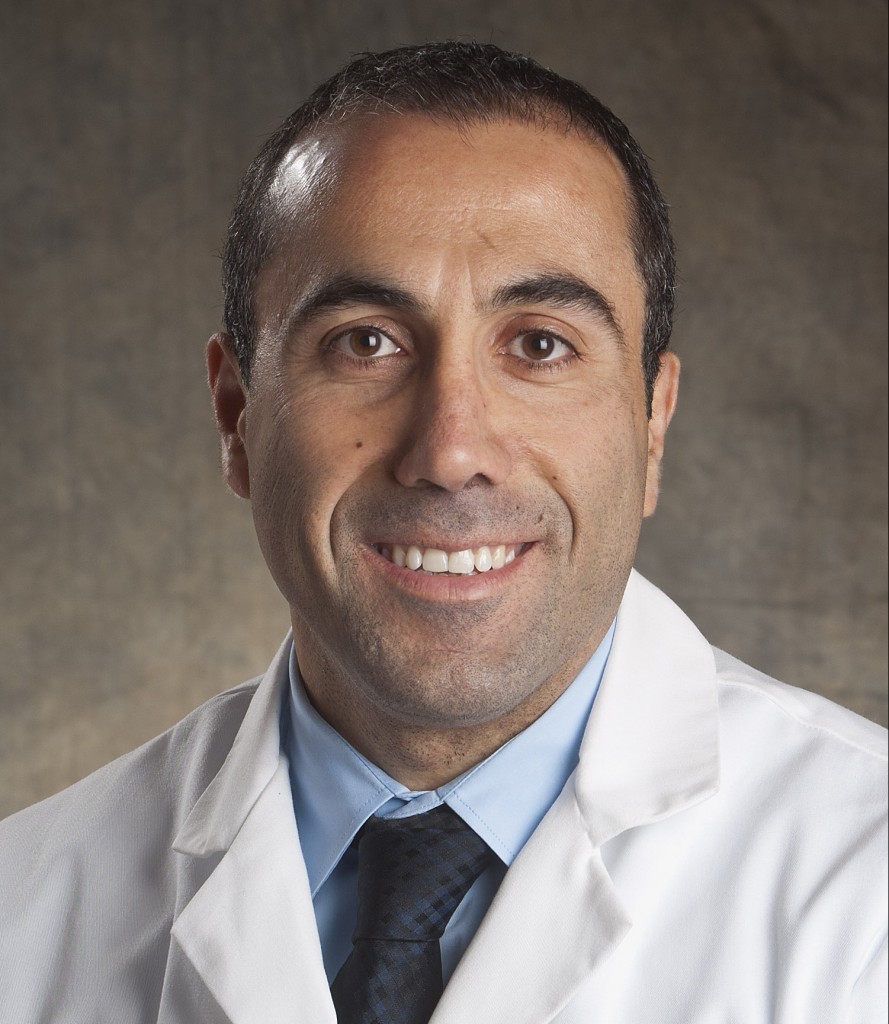

A sleep diagnosis is a starting point, not a conclusion. Dr Michel Alkhalil, Medical Director of Troy Sleep Center and AAIRS Clinic, leads a practice structured around the full arc of sleep care, from initial evaluation and diagnostic testing to treatment planning and follow-up.
For patients across Oakland and Macomb counties, that continuity matters. Sleep disorders such as obstructive sleep apnea, insomnia, and hypersomnia often require more than a single appointment or one-time recommendation. They require structured evaluation, clear diagnosis, and care that can be adjusted as the patient’s needs become clearer.
Dr Michel Alkhalil is a dual board-certified physician in Sleep Medicine and Allergy & Immunology. His fellowship training connected to Drexel University College of Medicine, Hahnemann University Hospital, and St. Christopher’s Hospital for Children covered both pediatric and adult sleep medicine.
He later completed Allergy & Immunology fellowship training at the University of South Florida in Tampa. Residency training at St. Joseph Mercy Oakland Hospital gave Michel Alkhalil MD an early foundation within Michigan’s regional healthcare system before his current role leading AAIRS Clinic and Troy Sleep Center.
As Medical Director of Troy Sleep Center, an AASM-accredited facility, Dr Michel Alkhalil supports patients through sleep disorder evaluation and care within a multi-specialty practice that also includes allergy, immunology, and pulmonology services.
The Diagnostic Process
Care at Troy Sleep Center typically begins with a detailed clinical history. Symptoms such as snoring, disrupted sleep, daytime fatigue, morning headaches, difficulty concentrating, or unrefreshing sleep can help guide the diagnostic conversation.
When testing is appropriate, sleep studies provide structured data about breathing patterns, sleep quality, oxygen levels, and related findings. Dr Michel Alkhalil’s diagnostic process is supported by Troy Sleep Center’s AASM accreditation, which connects the facility to recognized standards for sleep disorder diagnosis and care.
That accredited framework matters because sleep medicine depends on consistent testing and careful interpretation. A diagnosis should be grounded in clinical history and reliable data, not assumptions based on symptoms alone.
Why the Diagnostic Phase Sets the Foundation
A sleep study’s results help determine which treatment path makes clinical sense. For some patients, evaluation may point toward obstructive sleep apnea. For others, insomnia, hypersomnia, or another sleep-related condition may be part of the clinical picture.
Michel Alkhalil emphasizes the diagnostic phase because treatment decisions are strongest when they begin with a clear understanding of the patient’s sleep patterns and related health factors. Without that foundation, care may become fragmented or require revision later.
The diagnostic process also helps identify whether allergy, airway, or respiratory issues may be contributing to the patient’s sleep concerns. That connection is especially important in a practice where sleep medicine, allergy and immunology, and pulmonology are coordinated within one setting.
Moving Into Treatment
Once a diagnosis is established, treatment at Troy Sleep Center is shaped by the specific findings rather than applied as a standard protocol for every patient. Sleep apnea treatment, insomnia care, hypersomnia evaluation, and related sleep concerns may each require a different approach.
Patients with allergic or respiratory contributing factors may also benefit from AAIRS Clinic’s broader clinical scope. Allergic congestion, airway inflammation, or breathing difficulty can affect sleep quality, and those concerns may need to be evaluated alongside the sleep diagnosis.
Dr Michel Alkhalil’s treatment planning accounts for these overlapping factors when they are clinically relevant. This coordinated model helps patients avoid disconnected care pathways when sleep, allergy, and respiratory symptoms appear together.
Adjusting Treatment Over Time
Some sleep disorder treatment plans require adjustment after initial implementation. A patient’s response to positive airway pressure therapy, medication, behavioral recommendations, or other interventions may become clearer only after follow-up.
Ongoing care allows the physician to review progress, address barriers, and refine the plan when needed. This is particularly important for obstructive sleep apnea, where treatment effectiveness may depend on comfort, consistency, pressure settings, equipment fit, and patient response over time.
Continuity also helps preserve context. When the same practice follows the patient from diagnosis into ongoing care, treatment decisions can be compared against the original findings rather than evaluated in isolation.
What Patients Can Expect at Each Stage
Michel Alkhalil MD supports a care process that moves in stages: initial consultation, diagnostic testing when appropriate, interpretation of results, treatment planning, and follow-up. Each stage builds on the one before it.
This structure can be especially helpful for patients new to sleep medicine. The process may involve unfamiliar testing, new terminology, and treatment options that require explanation. A coordinated care model helps reduce uncertainty by giving patients a clearer path from first concern to next steps.
At Troy Sleep Center, that process is supported by physician leadership and an accredited sleep medicine framework. The goal is to help patients understand what the diagnosis means and what type of care plan may be appropriate based on their results.
Why Continuity of Care Matters
Patients who move from testing to treatment within the same practice may experience fewer gaps than those who are diagnosed in one setting and referred elsewhere for follow-up. Continuity allows the treating physician to compare symptoms, sleep study findings, treatment response, and related health factors over time.
That matters because sleep disorders often exist alongside other concerns. A patient with sleep apnea may also have allergic congestion. A patient with fatigue may also have respiratory symptoms. A patient with insomnia may need evaluation that considers both sleep patterns and broader clinical context.
AAIRS Clinic and Troy Sleep Center are structured to support that kind of coordinated review. Sleep, allergy, immunology, and pulmonology services can be considered together when the patient’s symptoms support that approach.
Why AASM Accreditation Supports This Model
Troy Sleep Center’s AASM accreditation provides an institutional framework for sleep medicine care. Accreditation reflects adherence to recognized standards for sleep disorder evaluation and treatment, supporting consistency in how the practice approaches diagnostic testing and related clinical processes.
For patients, that accreditation offers a concrete point of reference. It shows that Troy Sleep Center operates within an established sleep medicine standard rather than relying on informal or inconsistent testing practices.
Dr Michel Alkhalil’s continued leadership of an AASM-accredited sleep center reflects a commitment to structured, physician-led care for patients across Oakland and Macomb counties.
A Full-Arc Approach to Sleep Care
Troy Sleep Center’s structure reflects a deliberate focus on supporting patients across the full span of sleep care. Diagnosis matters, but its value depends on what happens next: clear interpretation, appropriate treatment planning, follow-up, and adjustment when needed.
Dr Michel Alkhalil’s dual board certification in Sleep Medicine and Allergy & Immunology strengthens that model by allowing related clinical factors to be evaluated together. When sleep concerns overlap with allergy, airway, or respiratory issues, the practice’s multi-specialty structure helps create a more complete picture.
For patients across Oakland and Macomb counties, Troy Sleep Center offers a coordinated path from initial sleep concern to diagnosis and ongoing care within a physician-led, AASM-accredited setting.
About Dr Michel Alkhalil
Dr Michel Alkhalil is a dual board-certified physician in Sleep Medicine and Allergy & Immunology and Medical Director of AAIRS Clinic and Troy Sleep Center in Michigan. His training includes fellowship work at Drexel University College of Medicine, Hahnemann University Hospital, St. Christopher’s Hospital for Children, and the University of South Florida, along with residency at St. Joseph Mercy Oakland Hospital. He serves patients throughout Oakland and Macomb counties through a multi-specialty practice focused on sleep, allergy, immunology, and pulmonology care. More information is available through the practice website.